Petrolino Hydrocarbon Blending It is a specialized product of light and heavy refinery compounds designed to regulate the physical and chemical properties of fuels, solvents, and industrial oils.
This material is actually an engineered blend of paraffinic, naphthenic, and aromatic hydrocarbon cuts that are adjusted in precise proportions, depending on the needs of each industry, to optimize properties such as density, octane number, flash point, and viscosity in the final fuel or oil.
Due to its high purity and precise control of properties, Petrolino’s hydrocarbon blending is used in the production of industrial fuels, lubricants, proprietary solvents, and export petrochemical products.
Composition and technical nature of hydrocarbon blending
Hydrocarbon Blending Component is a refinery blend made from a controlled blend of various cuts including naphtha (C5–C10), heavier cuts (C11–C20), and certain amounts of isoparaffins and naphthenes.
This combined formula creates the following properties:
| Feature | Technical explanation | Importance in performance |
| High chemical compatibility | Combining multiple cuts with different weld points | Optimal evaporation and combustion control |
| Adjustable density (0.75–0.90 g/cm³) | Can be controlled by changing the light/heavy ratio | Suitable for fuel and oil |
| Medium to high octane number (70–90) | Dependent on the percentage of branched hydrocarbons | Improved engine and fuel performance |
| High flash point (>60°C) | Reducing the risk of flammability in transportation | High safety |
| Oxidative stability | Anti-oxidation additives | Preventing sludge formation in blending |
| Low sulfur content (<0.5%) | Refined according to D5453 standard | Environmentally friendly |
Hydrocarbon Blending Production Process at Petrolino
This product is produced in Petrolino’s industrial units using the Blending & Fractional Control process.
The main steps include:
- Selection of base cuts: including light hydrocarbon cut and refined heavy cut.
- Hydrotreating: Removal of sulfur, nitrogen, and metal particles.
- Controlled mixing at a specific temperature (40–60°C): with precise agitators and additive injection system.
- Online density and viscosity monitoring: with ASTM D1298 and D445 sensors.
- Cooling and stabilization: Preventing the separation of light and heavy compounds.
This process ensures that each grade of Petrolino Blending Hydrocarbon has stable, repeatable, and industry-standard characteristics.
What is the purpose of hydrocarbon blending?
In refineries and downstream industries, “blending” refers to the purposeful combination of multiple petroleum cuts to achieve desired properties in the final product.
These properties typically include:
- Octane/Cetane Rating
- Reid Vapor Pressure
- Flash and evaporation point
- Density and viscosity
- Percentage of aromatics and sulfur
Petrolino’s hydrocarbon blending, meanwhile, acts as a regulator of the physical and chemical properties of fuels and oils, allowing industries to create precise and economical formulations for their products.
🔹 Competitive advantages of Petrolino Hydrocarbon Blending (H2)
۱. Production according to ASTM and API standards
۲. High purity and uniformity of each production batch
۳. Formula customization based on industrial customer needs
۴. High thermal stability and controlled evaporation
۵. Full compatibility with all types of fuels and base oils
۶. Fast delivery and technical support from Petrolino engineering team
Production grades and product diversity
Petrolino offers three specialty grades for hydrocarbon blending:
| Grade | Indicator feature | Main application |
| Blending HC-L (Light) | Low density, fast evaporation | Suitable for light and solvent fuels |
| Blending HC-M (Medium) | Balanced combination of light and heavy | Suitable for blending industrial oil |
| Blending HC-H (Heavy) | High density, high flash point | Suitable for industrial fuels and boilers |
Industries that use hydrocarbon blending
This product is used in a range of downstream oil and energy industries:
- Refinery Industries (Fuel Blending Units)
- Lubricant and grease manufacturing industries
- Lubricant and grease manufacturing industries
- Petrochemical and cracking industries
- Production of alternative and export fuels
- Power and thermal industries
Technical and functional characteristics of Petrolino’s hydrocarbon blending
Petrolino’s Hydrocarbon Blending is the result of a precise Blending Engineering process in which the ratio of light and heavy components is adjusted in a controlled manner. In addition to specific physical properties, this blend offers versatile and optimal performance in various temperature conditions.
These features may be adjusted to suit customer needs, depending on the production grade (L, M, H).
| Physical and chemical properties | Average value | Reference standard | explanation |
| Density at 15°C | ۰.۷۹۵ – ۰.۸۶۵ g/cm³ | ASTM D4052 | Specific gravity determinant in fuel blending |
| Flash Point | Above 65°C | ASTM D93 | Indicates high safety in transportation |
| Pour Point | Less than -20°C | ASTM D97 | Suitable for cold regions |
| Kinematic viscosity at 40°C | ۰.۷ – ۱.۵ mm²/s | ASTM D445 | Compatible with light oils |
| Vapor Pressure (RVP) | ۳۵–۶۰ kPa | ASTM D323 | Evaporation control in fuel blending |
| Sulfur Content | Less than 0.5% by weight | ASTM D5453 | Compliance with environmental requirements |
| Approximate octane number (RON) | ۷۵–۹۰ | ASTM D2699 | Suitable for mixed fuels and industrial engines |
| Aromatic compound | ۱۰–۲۵٪ | — | Control of solubility and combustion properties |
| Oxidative stability | up | ASTM D2274 | Reducing sludge and oxide in blending |
These features may be adjusted to suit customer needs, depending on the production grade (L, M, H).
Practical Benefits of Petrolino Hydrocarbon Blending
- Fuel quality optimization:
By carefully controlling octane number and density, this blend improves combustion performance in industrial fuels.
- Increased thermal stability:
It has controlled evaporation properties at high temperatures, which results in better performance in thermal equipment.
- Compatibility with Additives:
No unwanted reactions with anti-oxidation, anti-corrosion and anti-wear compounds.
- Economic savings:
It has a lower total cost than pure refinery fuels but offers similar performance.
- Customizable:
Petrolino adjusts the formulation of each grade based on the customer’s technical needs (flash point, evaporation, density).
- Bulk delivery and industrial packaging:
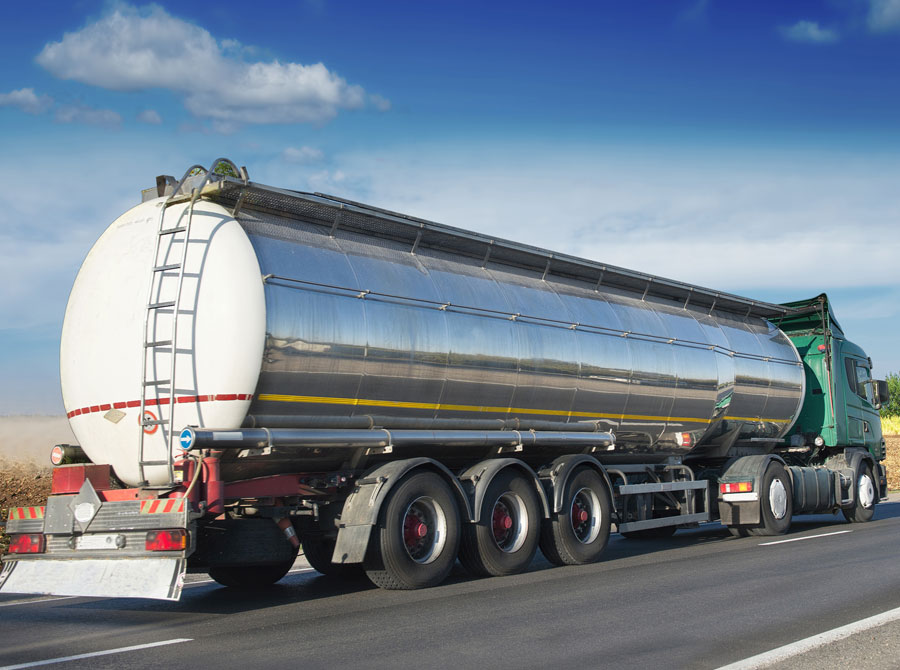
Available in tanker, 220 liter drum, or IBC Tank with Certificate of Analysis (COA).
Industrial applications of hydrocarbon blending
This compound is used in a wide range of downstream industries due to its multipurpose properties:
۱. Refining and energy industries
In the blending process of gasoline, diesel, and alternative fuels, it is used as an octane number regulator and vapor pressure control.
۲. Industrial oil and lubricant production
As a diluent to reduce the viscosity of base oils and improve flowability at low temperatures.
۳. Chemical industries and solvent production
In the production of thinners, industrial solvents, and cleaning formulations due to its high dissolving properties.
۴. Paint and resin industries
As a carrier and evaporation rate regulator in industrial paints and alkyd resins.
۵. Power plant industries
In thermal fuels for power plants and boilers as a low-sulfur fuel with a high flash point.
۶. Export of petrochemical products
As part of export compounds for countries in the Middle East and Central Asia due to its high environmental standards.
Safety and maintenance tips for hydrocarbon blending
Safety is of utmost importance in the storage and handling of this material. As an industrial manufacturer, Petrolino recommends the following standard guidelines for safe use:
maintenance
- Store in sealed containers in a cool environment (temperature below 40°C).
- Avoid direct sunlight or intense heat sources.
- Do not store in the vicinity of oxidizing or acidic materials.
transportation
- Transportable according to UN code 3295 (Hydrocarbons, Liquid, n.o.s.)
- Transport in special fuel tankers with ADR/IMDG certificate
- It is essential to maintain a safe distance from sources of ignition.
Personal safety tips
- The use of nitrile gloves, safety glasses, and a filter mask is recommended.
- In case of skin contact, wash the contaminated area with soap and water.
- If concentrated vapor is inhaled, move the person to fresh air.
Petrolino Blending Hydrocarbon Technical Specifications Table
| parameter | amount | unit | Test method |
| Color (Color, Saybolt) | +15 to +25 | — | ASTM D156 |
| Density at 15°C | 0.795–0.865 | g/cm³ | ASTM D4052 |
| Viscosity at 40°C | 0.7–1.5 | mm²/s | ASTM D445 |
| flash point | ≥ 65 | °C | ASTM D93 |
| drop point | ≤ -20 | °C | ASTM D97 |
| vapor pressure | 35–60 | kPa | ASTM D323 |
| Sulfur percentage | < 0.5 | wt% | ASTM D5453 |
| Aromatic composition | 10–25 | wt% | — |
| Oxidative stability | up | — | ASTM D2274 |
| physical state | Colorless to pale yellow liquid | — | visual |
FAQ
What is hydrocarbon blending and how is it different from light and heavy cuts?
Hydrocarbon blending is actually an engineered combination of light and heavy hydrocarbon cuts, designed in specific proportions to achieve specific properties (such as octane number, density, flash point). Light and heavy cuts have limited properties individually, but blending is the optimal combination of both.
Where can I buy industrial blending hydrocarbon?
Petrolino Company, as a direct producer of hydrocarbon blending in Iran, supplies this product to the refining, lubricant and petrochemical industries.
Buying directly from the manufacturer means competitive prices, consistent quality and technical support.
Does this product comply with environmental standards?
Yes. Petrolino has reduced sulfur content to below 0.5% using Hydrotreating technology, which complies with international Low Sulfur fuel standards.
What is the difference between light and heavy hydrocarbon blending?
Light grades have a lower density and evaporate more quickly, while heavy grades have a higher flash point and greater thermal stability. The choice of grade type depends on the type of use (light fuel, industrial oil or heating fuel).
How can I request a sample and technical analysis?
You can request a COA (Certificate of Analysis) or technical sample via Petrolino’s contact form or the number listed on the product page. Petrolino’s sales team will respond as soon as possible.