Oil and refineries are the main pillars of the world’s energy industry and are known as the main source of fuel and raw materials for various industries. In this article, we will examine the oil refining process, the types of refineries, and the products they produce.
What is the crude oil refining process like?
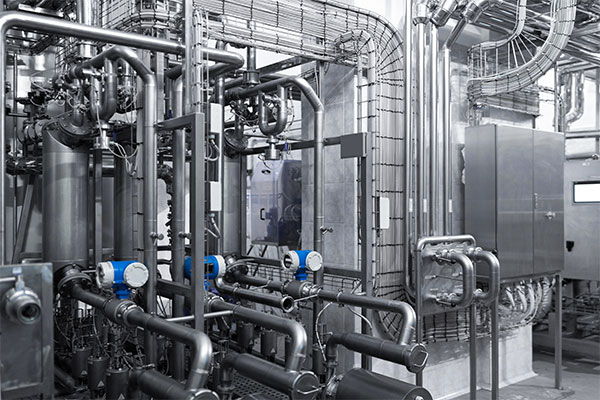
Crude oil refining refers to a set of chemical and physical processes that are performed to convert crude oil into usable products. These processes include the following steps:
Desalination:
Crude oil entering the refinery is first placed in desalination equipment to remove the salts present in it.
Preheating:
After desalination, crude oil passes through heat exchangers and its temperature reaches about 280 degrees Celsius.
Distillation:
At this stage, the crude oil is transferred to the furnace and the temperature is raised to around 350°C. The crude oil is then fed into the distillation tower and the various vapors are collected in specific trays based on temperature and pressure.
Production of products:
After distillation, the vapors leaving the distillation tower are transferred to condensers and liquefied. These products include gasoline, diesel, kerosene, and other petroleum derivatives.
Types of refineries
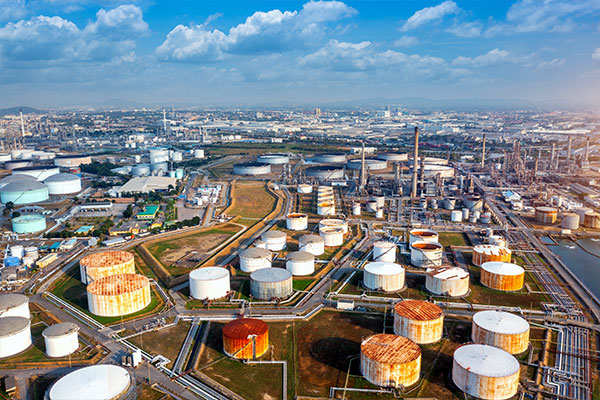
Refineries are divided into different types, each designed to produce specific products:
Fuel refineries:
These types of refineries produce common fuels such as gasoline and diesel. Examples of these refineries include the Tehran and Abadan refineries.
Petrochemical refineries:
These refineries are dedicated to producing chemical raw materials for the petrochemical industry and usually involve more complex processes.
Gas refineries:
These refineries process natural gas and produce related products.
Products produced in refineries
Products from oil refining include the following:
Gasoline:
One of the most important fuels for vehicles.
Diesel:
Fuel for diesel vehicles and industrial machinery.
Kerosene:
It is commonly used in domestic and industrial applications.
LPG:
Liquefied petroleum gas used for domestic and industrial purposes.
Chemical products:
Includes a variety of chemicals used in various industries.
conclusion
Refineries, as key centers in the energy and raw material supply chain of various industries, play a very important role in the economies of countries. Considering the environmental challenges and the need for sustainable development, optimizing refining processes and using modern technologies in this industry is of particular importance.